My phone had 47 unread notifications the morning I finally decided I was done.
Not done with my job. Done with the version of myself that had stopped noticing things. I could not tell you the last time I had looked at the sky with genuine attention. Not glanced at it. Actually looked at it.
My colleague Shruti sent me a message that Tuesday afternoon.
Three words.
Travel Nahan. Trust me.
I had never heard of Nahan. I told her so. She said that was exactly the point.
That started everything.
What I Found When I Started Looking
I typed Travel Nahan Himachal Pradesh into my phone that same evening.
What came up was not what I expected from a hill station search.
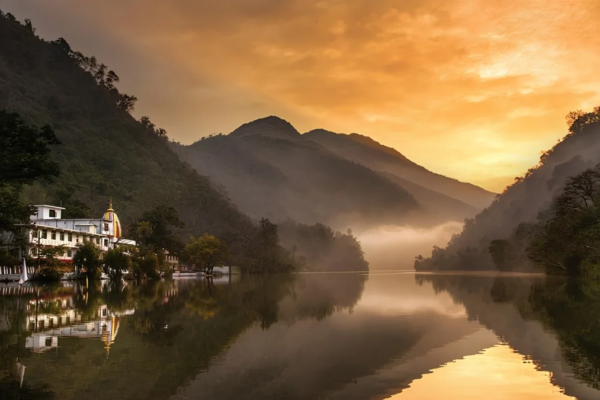
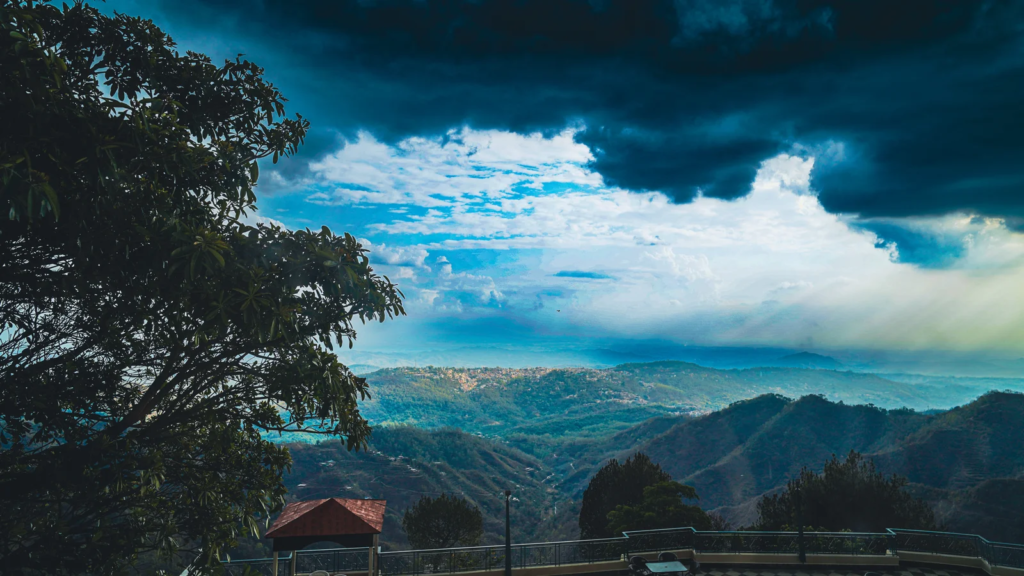
No articles listing the ten best things to do in forty eight hours. No photographs taken from the same four angles that every travel blog uses. Instead, there were images that had a quality I can only describe as honest. The Shivalik hills stretching wide and unhurried. A terrace looking over a valley that seemed to exist entirely for the person standing on it.
The property in most of those photographs was The Sirmour Retreat.
I read about it for an hour. Then closed my laptop. Then opened it again because I wanted to confirm I had understood what I was looking at.
I had. And the next morning I booked two nights without asking anyone’s opinion about it.
Why Nahan Is Not on Most People’s Lists
When North Indians talk about hill stations, the same names come up in the same order. Shimla. Mussoorie. Manali. Kasauli if someone is feeling adventurous.
Nahan does not come up.
It sits in Sirmour district, in a part of Himachal Pradesh that has not yet been found by the kind of tourism that builds signboards telling you where to stand for the best photograph.
That absence is its greatest quality.
To travel Nahan is to arrive somewhere that has not learned it is supposed to perform for you. No infrastructure assembled for crowds. No ambient noise of a hundred other people having a holiday nearby. Just the hills, the town below them, and the particular quality of quiet that arrives in places that have been left to themselves.
I did not know any of this before I booked. I was trusting three words from Shruti and a set of photographs that looked too real to be staged.
Both turned out to be entirely reliable.
The Drive That Began the Shift
We left Delhi at 4:30 in the morning.
Not because the logistics required it. Because something about this trip already felt intentional, and the dark highway at that hour felt like the right way to start it.
When you travel Nahan from Delhi, the road covers roughly 290 kilometres through the most quietly beautiful driving in North India. Not dramatic in the way the higher Himachal passes are dramatic. Consistently, gently extraordinary. Scenery that accumulates rather than announces itself.
By the time we crossed Ambala and the road began its first gentle rise into the foothills, we had both stopped talking. Not because the conversation had dried up. Because the outside world had become more interesting than whatever we had been discussing.
Nahan arrived about five hours in.
A town that simply exists, completely on its own terms, entirely unbothered by the arrival of visitors. No tourist strip. No performance. Just a hill town being a hill town, and doing it with a quiet dignity that immediately asks something of you in return.
We drove up to The Sirmour Retreat. And somewhere on that final stretch of road, something in my chest quietly loosened.
I did not notice it while it was happening. I only noticed it had already happened.
Arriving at The Sirmour Retreat
Getting to The Sirmour Retreat is its own experience before you have even stepped inside.
Because the view from the entrance stops you.
The Shivalik range opens in front of the property in a way that is simply not possible to prepare for. Wide, unhurried, enormous and somehow still intimate. We stood at the entrance and neither of us moved for a full minute.
This is what you travel Nahan for.
Not the coordinates. Not the altitude. Not the amenities list. This specific thing: a place that asks nothing from you the moment you arrive and gives you everything instead.
The team came out to welcome us with a warmth that felt immediate rather than trained. No formal checklist energy. No transactional efficiency. The kind of welcome that communicates, without saying so, that they already understand you are probably arriving carrying more than your luggage.
They were right about that.
What the Room Did Before We Unpacked
Our room faced the valley directly.
Not a framed slice of mountain through a narrow window. All of it. The Shivalik range in every direction, the town of Nahan below, the sky doing things that sky only does at altitude when the light has found the right angle and decided to stay a while.
I sat on the edge of the bed and felt, for the first time in longer than I could name, genuinely still.
No list assembling at the back of my mind. No low level anxiety looking for somewhere to land. No sense of time moving through my fingers faster than I could hold it.
Just the hills. The light moving slowly across them. The quiet.
That quiet is what everyone who decides to travel Nahan tries to describe when they get home and cannot quite get it right. It is not the absence of sound. It is the presence of something that sound has been covering up. Something underneath all of it that you only reach when everything else has stopped competing.
I did not look at my phone for three hours.
For context, that had not happened voluntarily on a weekday in approximately four years.
The Days That Followed
The second morning I woke before my travel companion and walked to the terrace alone.
The valley below was still in shadow. The hills above were already in the first light. That specific quality of very early morning where the world has not yet committed to what the day is going to be.
I stood there for a long time without doing anything specific with it.
Not meditating. Not photographing. Not converting the experience into content. Just standing in a place that had, overnight, done something to me that I could feel but not yet name.
The Sirmour Retreat operates on a rhythm that is different from everything else in your life. Meals are unhurried and taste like they were assembled for two specific people rather than produced for a dining room. Himachali flavours done with a lightness and confidence that announces itself three bites in when you notice you have stopped talking entirely because something on the plate has earned your full attention.
The team remembered everything. Our names from the first conversation. That I take my chai without sugar. That my companion wanted to sit on the terrace rather than the dining room for every meal. These things were simply remembered, not logged. The difference between those two things is exactly what makes The Sirmour Retreat feel different from every other property at this price point.
One evening they set up a small dinner on the terrace without being asked. Candles. The valley going dark below us. The hills still visible as silhouettes.
Neither of us had any words for it at the time. We did not need them.
The Moment That Has Stayed With Me
It happened on the second evening, sitting on that same terrace after dinner.
We were doing nothing in particular. Watching the lights of Nahan town appear one by one in the valley. A warm wind coming off the hills. Nothing planned for the morning.
My companion said something I have thought about many times since.
“I feel like I can breathe in a direction I forgot existed.”
I knew immediately and exactly what she meant.
“When you travel Nahan and give yourself even two full days at The Sirmour Retreat, the hills do not just surround you. They reach inside and quietly rearrange something. You leave carrying less than you arrived with. The remarkable thing is you do not even notice it happening until you are already back in ordinary life and you close your eyes and the terrace is still there.”
Meera, guest at The Sirmour Retreat, Nahan
What Happens When You Travel Nahan
People come back from Nahan different. Not dramatically. Not with a revelation that needs announcing.
Quietly different.
The way you feel after a very long, completely honest conversation with someone you fully trust. Lighter. More located inside yourself. Slower to react to the things that used to pull your attention immediately.
The city receives you back the same way it always does: immediately and without ceremony. But something holds.
You notice things you were not noticing before. The things that felt urgent before the trip reveal themselves, in the first few days back, to have been considerably less urgent than they appeared. The noise is the same. You are not.
To travel Nahan is to give yourself back something the daily pace has been quietly taking for longer than you have been counting. And the longer you leave it, the more there is to recover.
What You Should Know Before You Go
Nahan is 290 kilometres from Delhi and about 100 kilometres from Chandigarh. Five to six hours by road from the capital. The road is well maintained and the altitude is gentle with none of the concerns that come with the higher mountain zones.
The best time to travel Nahan is March through June and September through November. October delivers something worth planning around specifically: the post monsoon clarity, the hills washed clean and visible all the way to the horizon, days warm enough for the terrace and evenings cool enough for a blanket.
The Sirmour Retreat at Nahan suits travellers who no longer need to fill every hour. Intimate by design. A team that is attentive in a way that reads as genuine rather than procedural. Spaces that work for couples, for solo travellers, for small groups who want to actually be together rather than occupy the same building.
If you are coming from Delhi, start before sunrise. Let the road do its part of the work.
The Only Thing We Got Wrong
We booked three nights and arrived wishing we had booked five.
By the second morning we were quietly calculating whether anything at home would genuinely fall apart if we extended. Most things would not have. We left anyway, out of habit rather than necessity.
On the drive back, somewhere south of Ambala with Delhi beginning to reassert itself on the skyline, I made a note on my phone.
Travel Nahan again. Sooner than feels reasonable. Longer than last time.
That note is still in my phone. The date beside it is not as far away as it once was.
One Last Thing
If you are reading this at the end of a long week with a full inbox and a feeling you cannot quite put a name to, here is the only advice worth giving.
Travel Nahan.
Not because it is an escape. Escapes are temporary and you already know that. Because it is a reminder. Of what stillness actually feels like in the body. Of what a view does to the part of you that stopped looking. Of what it means to arrive somewhere and feel, within five minutes of stepping out of the car, that the place is genuinely glad you came.